What Kyoto Asks of You in November.
Kyoto in November does not announce itself.
It reveals itself slowly, deliberately, to those willing to meet it on its own terms. The light is softer here. The colours deeper. The air carries a quiet coolness that sharpens every sensation. And yet, what defines Kyoto at this time of year is not the foliage, however extraordinary — it is the way the city asks you to move through it. Gently. Attentively. Without urgency. Because Kyoto is not something you see. It is something you are allowed into.
Eight frames of the season.
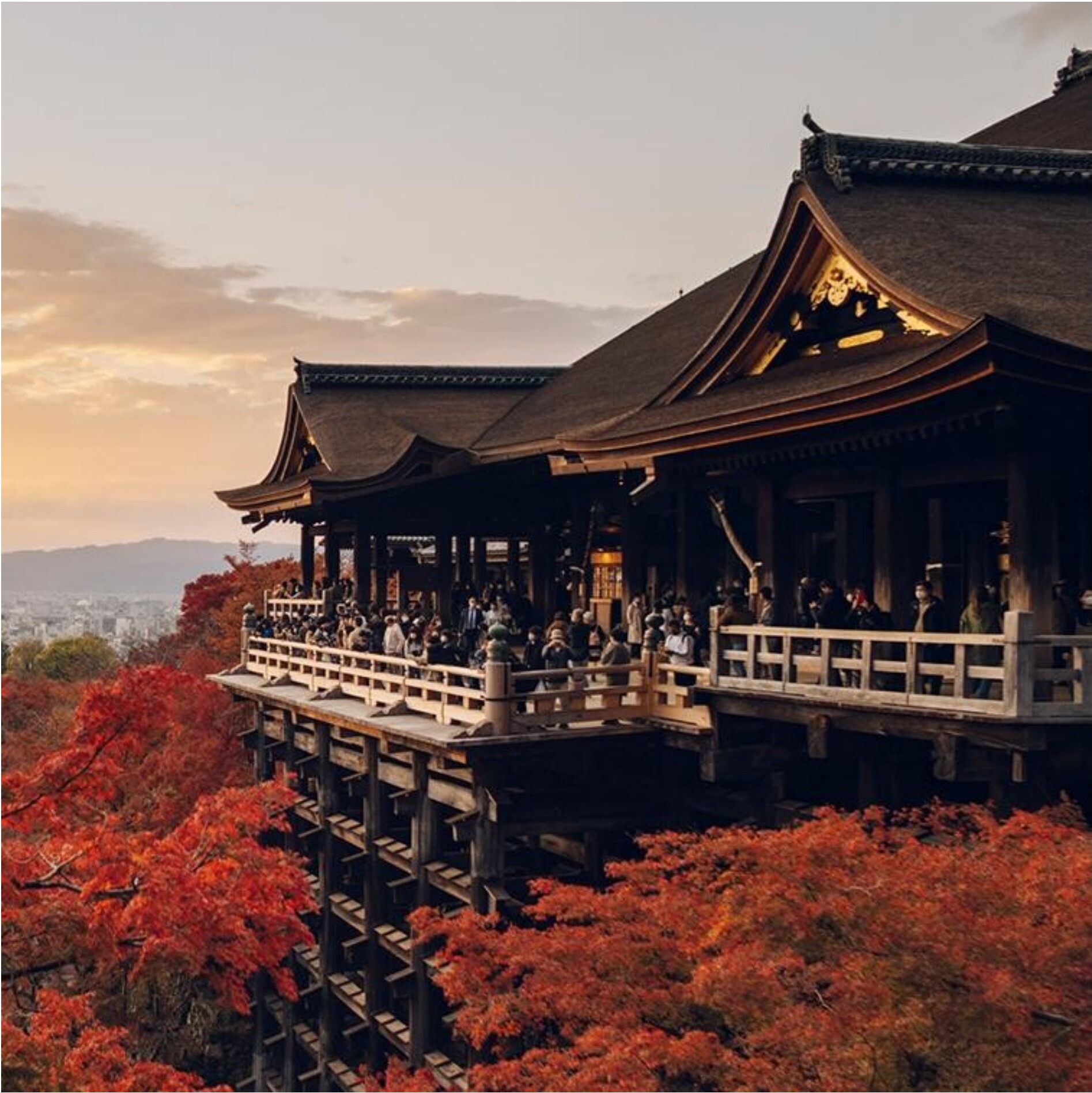
A temple veranda above the maples — Kyoto in its first held breath of November.
It asks you to wake before the city does.
Not for access — but for intimacy.
At first light, places like Kiyomizu-dera and Eikando Zenrin-ji feel entirely different from the versions most travellers encounter. The pathways are still. The air untouched. The soundscape reduced to footsteps, distant bells, and wind through leaves.
This is the hour Kyoto belongs to you. Not because it is exclusive, but because you chose to meet it when it was most itself.
For the well-travelled, this is the difference between visiting a place and understanding it.
Luxury, here, is not access. It is the freedom to pause without consequence — to follow curiosity instead of structure.
It asks you to allow space in your day.
Kyoto resists tight itineraries.
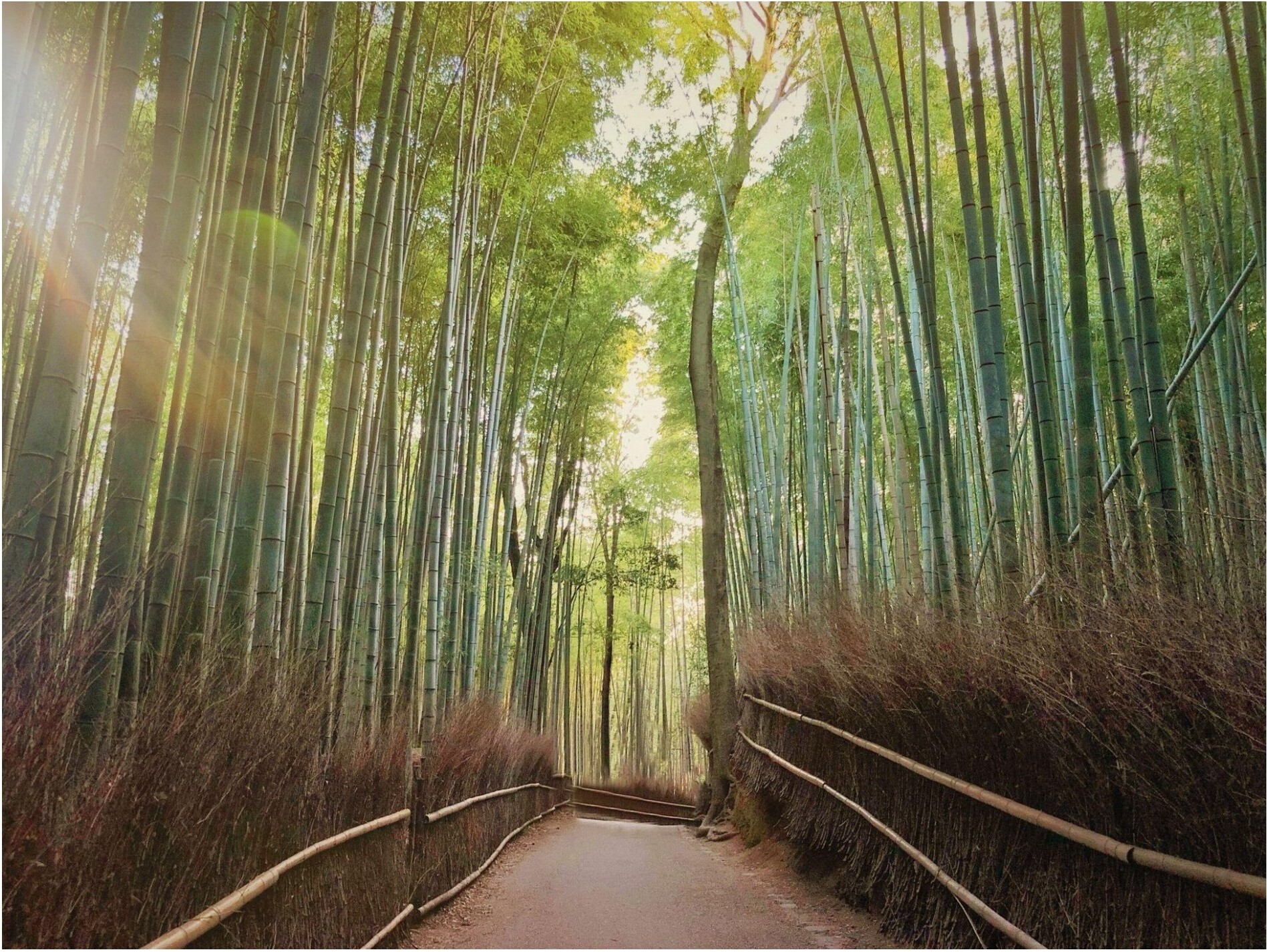
Even when you set out with intention — perhaps toward Arashiyama Bamboo Grove — the city offers quiet interruptions: a tucked-away garden behind a simple wooden gate, a tea house you hadn't planned to enter, a fleeting moment of stillness that asks you to stop.
It asks you to notice what others overlook.
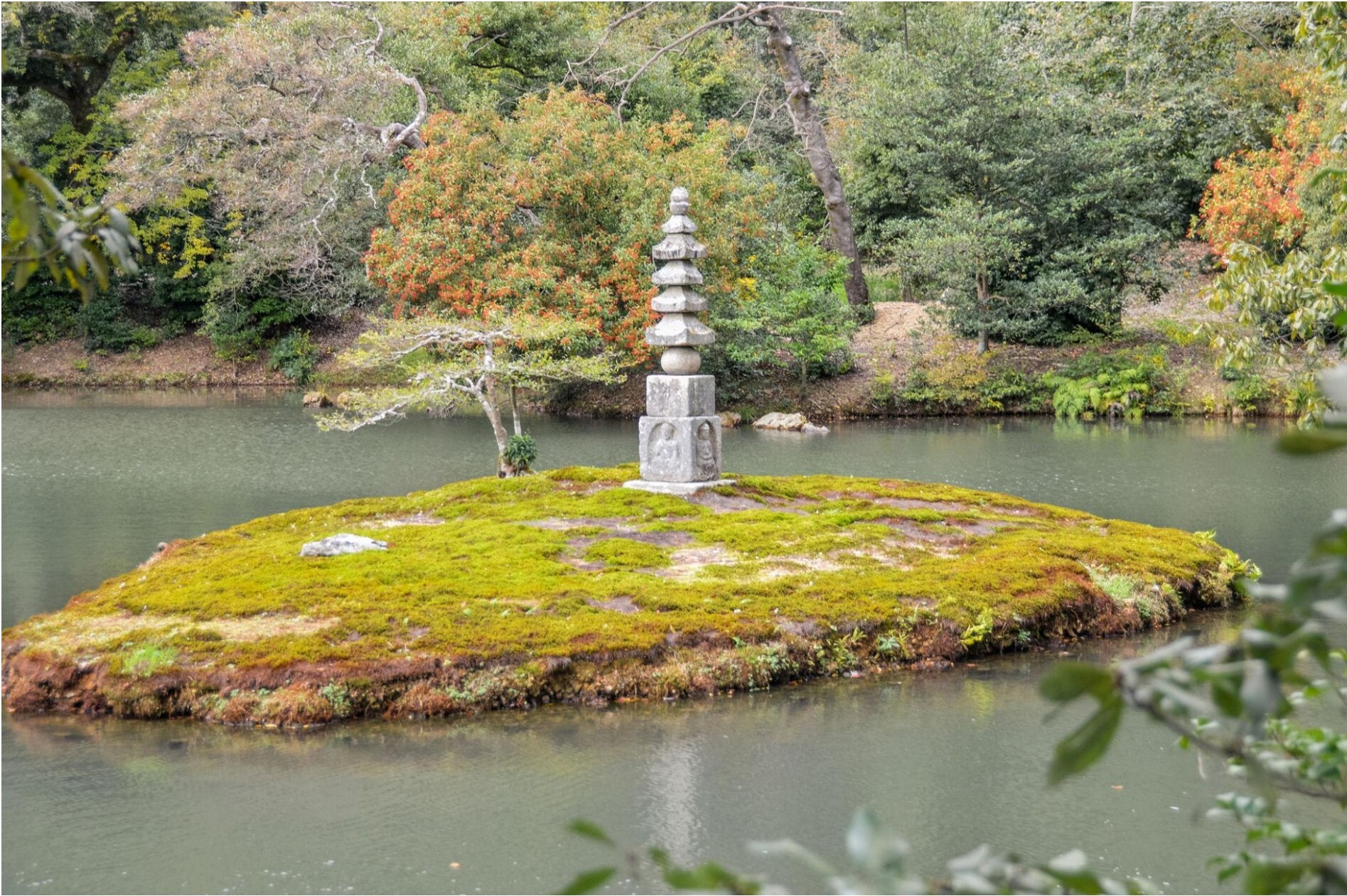
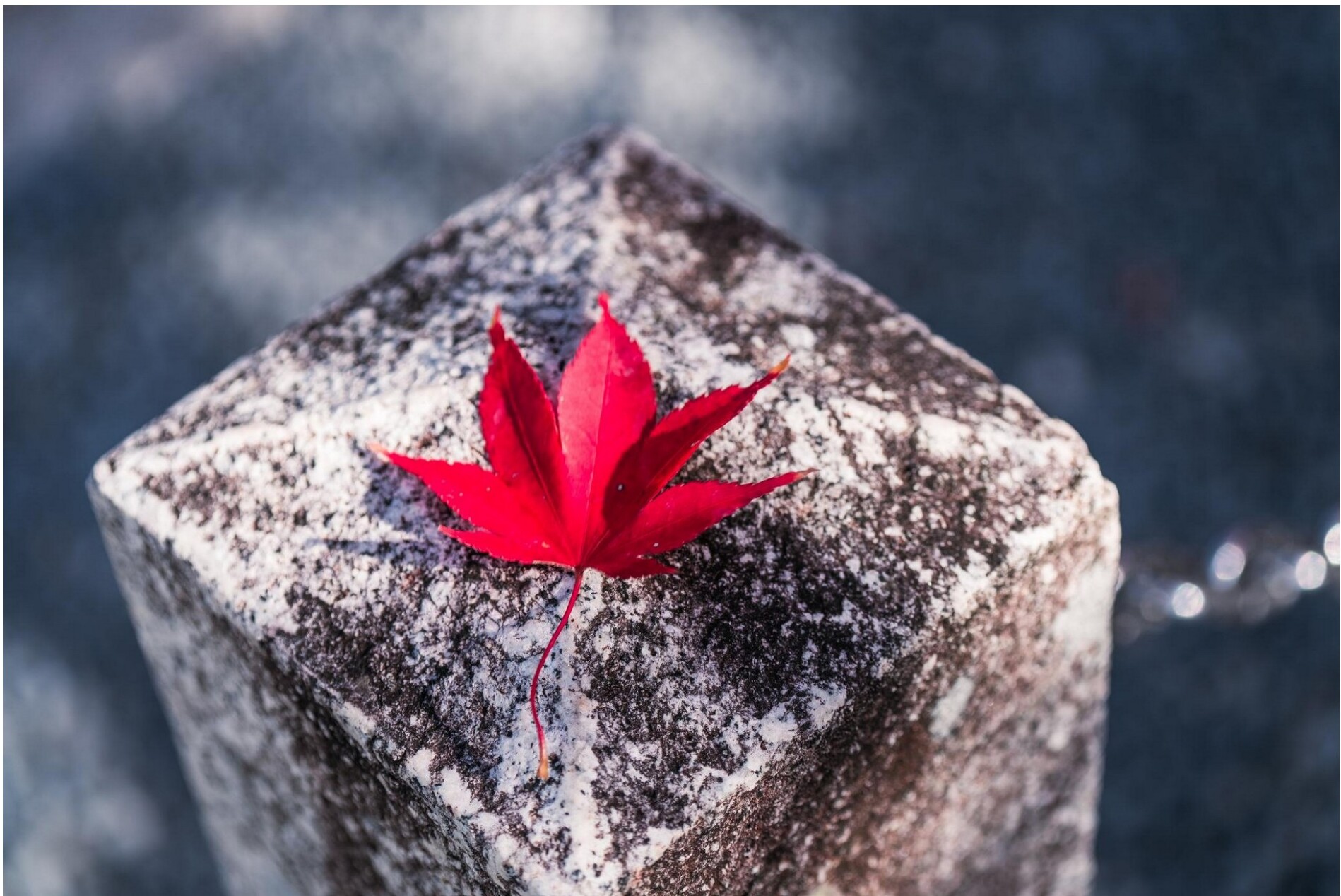
The canopy above is extraordinary — layers of crimson, amber and gold. But Kyoto in November is just as much about what lies beneath your feet. Fallen leaves arranged by chance into something quietly perfect. The texture of moss after a cool night. The way light settles across tatami in the late afternoon.
These are not grand moments. They are precise ones.
And Kyoto asks you to be present enough to recognise their value.
It asks you to stay for the evening.
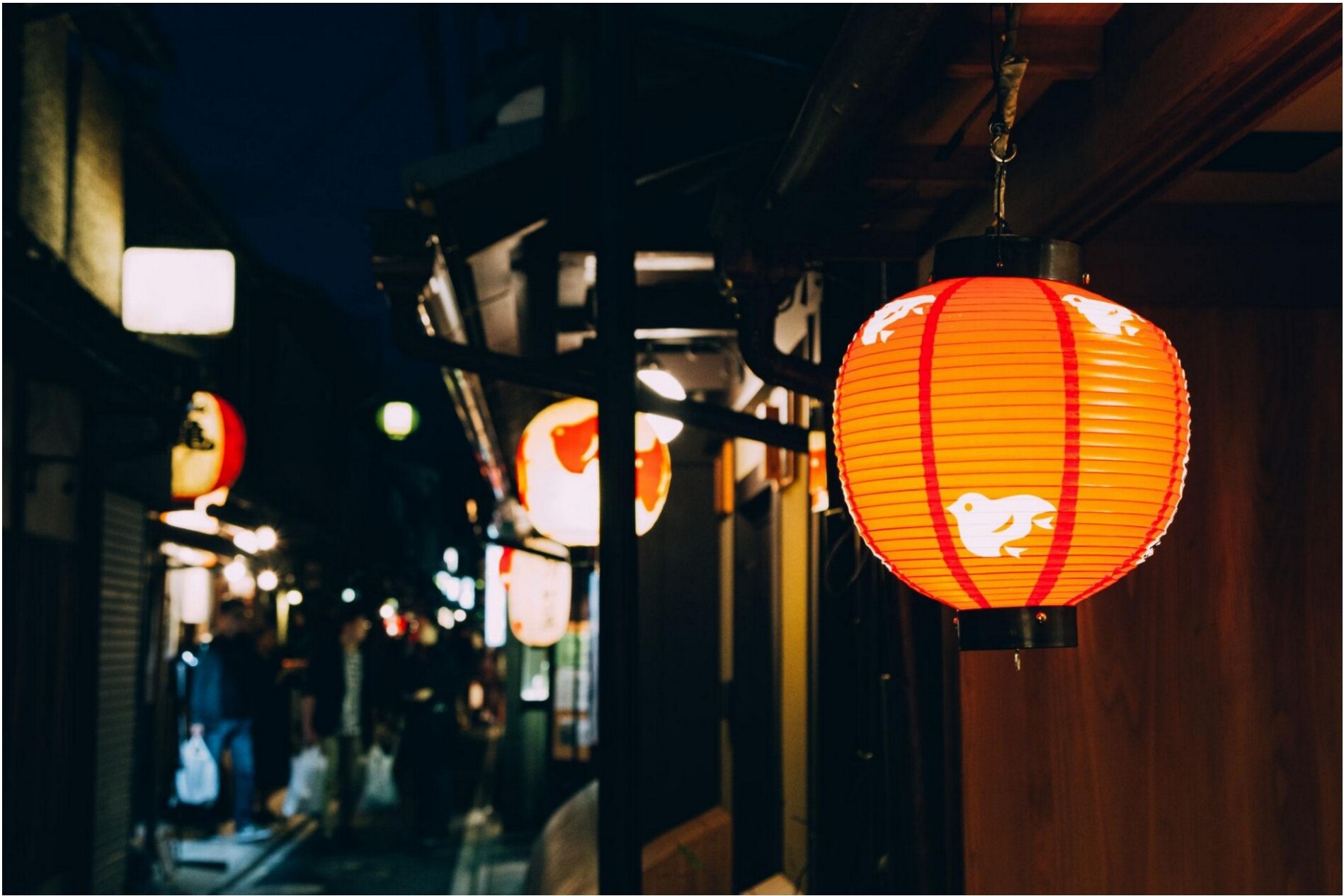
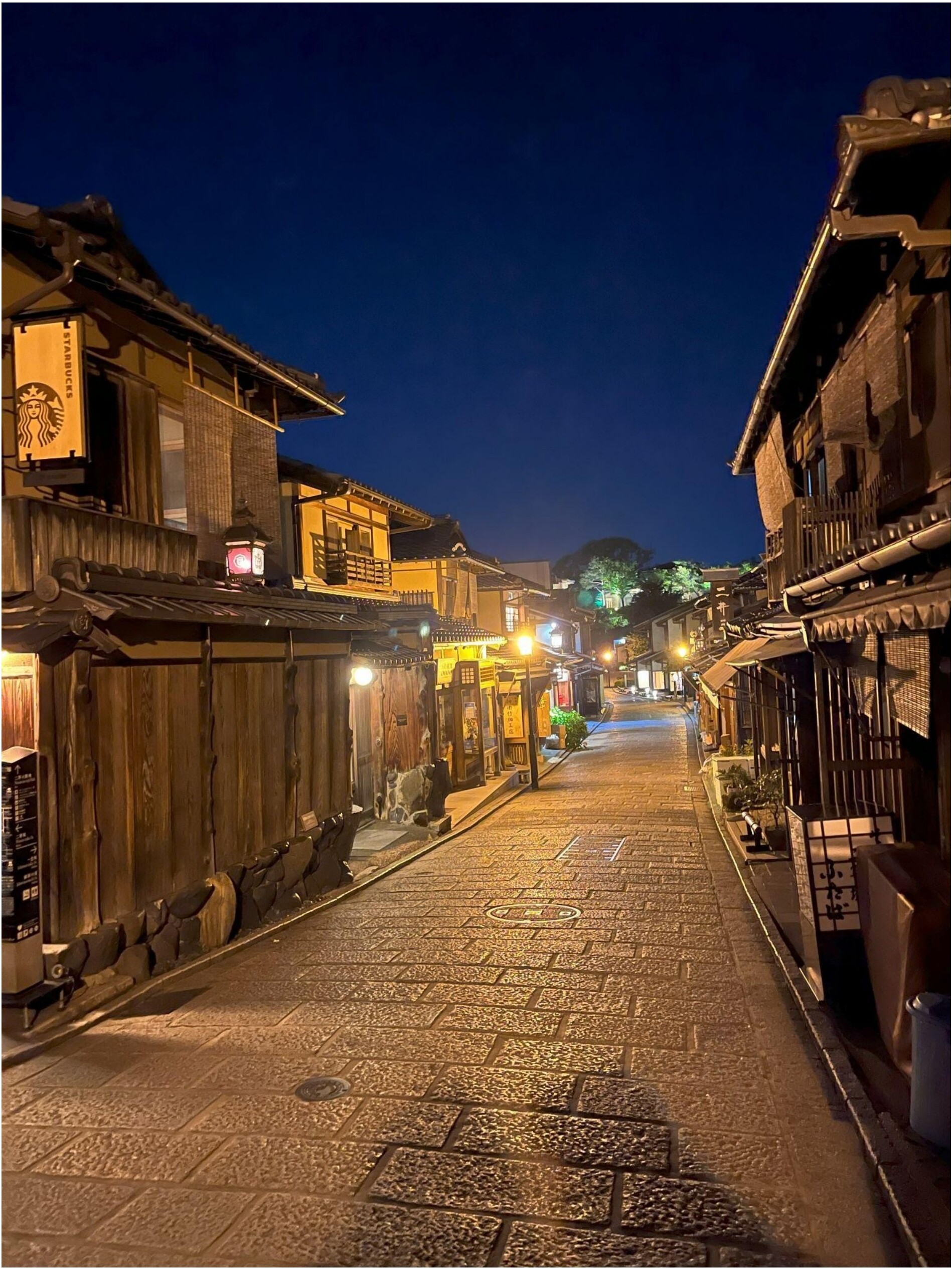
As night falls, the city softens further. In Gion, lanterns cast a warm, understated glow. Movement slows. Conversations quiet. The city feels less observed and more lived in.
At Kōdai-ji, illuminated maples reflect perfectly in still water, creating scenes that feel almost unreal in their symmetry.
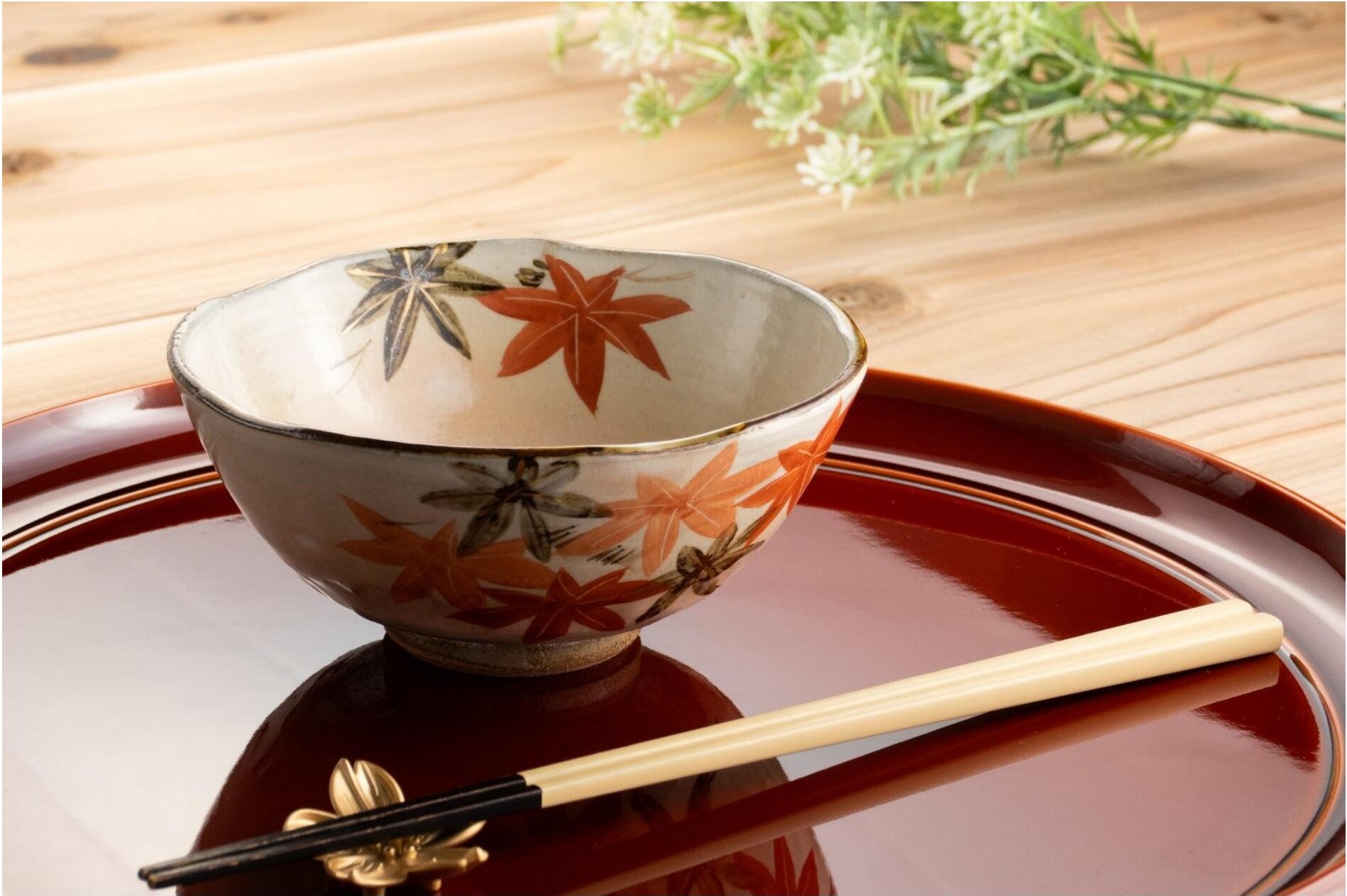
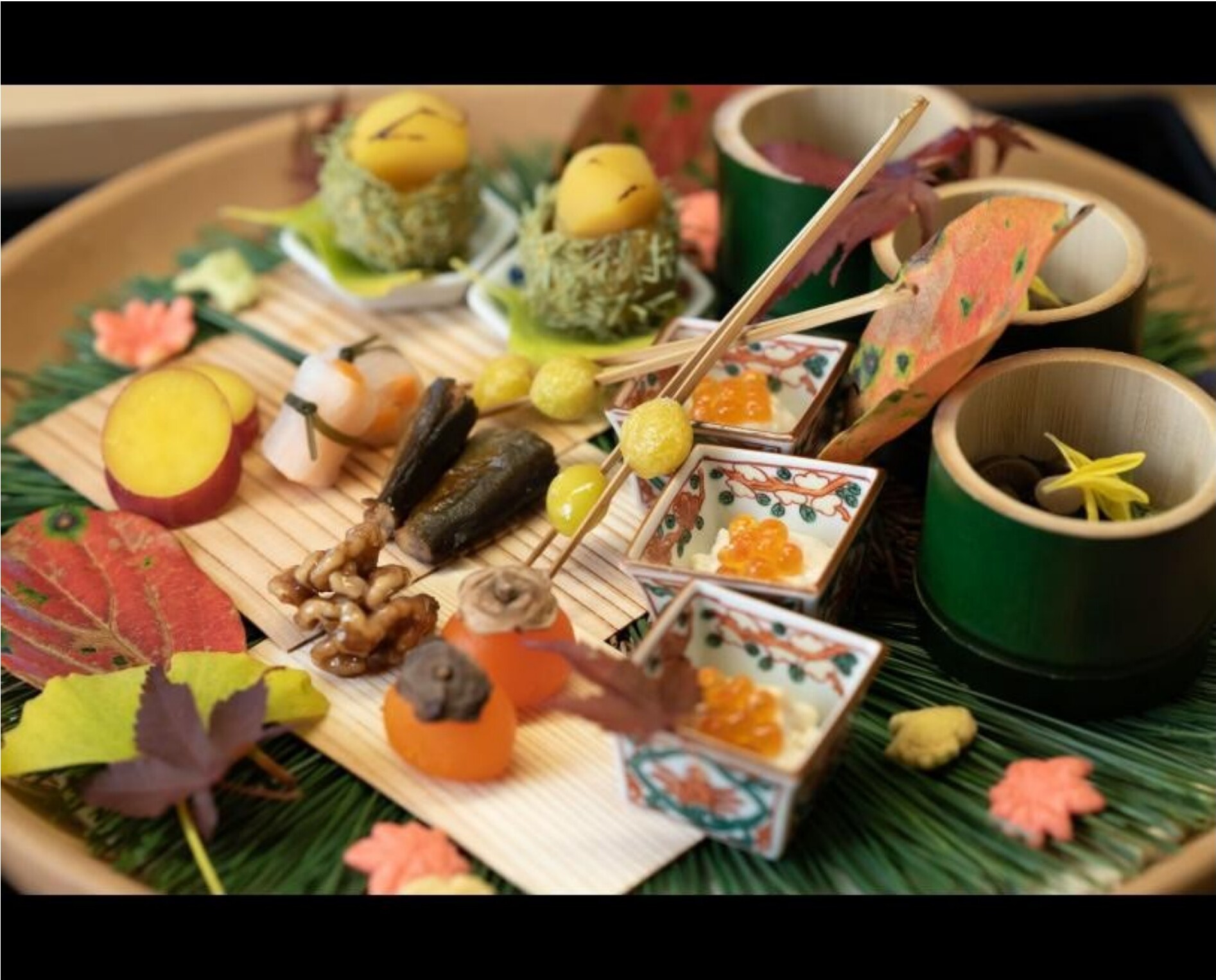
And then, perhaps, a private kaiseki dinner: seasonal, precise, and deeply connected to place.
This is Kyoto at its most generous — but only if you give it your time.
It asks you to let go of control.
November is one of Kyoto's most sought-after seasons. There will be moments where the city feels shared. But Kyoto is not diminished by this.
It simply asks you to adjust — to trust that the meaningful moments are not the obvious ones. They are found in timing. In perspective. In stillness.
For the discerning traveller, this is not a compromise. It is the practice.
Kyoto offers something increasingly rare in modern travel: a sense of quiet alignment. Not just beauty, but clarity. A reminder that the most exceptional journeys are not defined by how much you do, but by how deeply you experience what is in front of you.
In November, Kyoto does not perform. It responds. And what it gives you depends entirely on what you are willing to bring to it.
A November in Kyoto, designed for you.
Private mornings at the temples before the gates open. A ryokan chosen for its garden. The right table, the right hour, and a car always nearby. If a journey of this nature speaks to you, we would be glad to begin a conversation.