There is a particular grace to arriving by train.
Not the abrupt touchdown of airports, where destinations materialize through glass terminals and jet bridges, but the slow, unfolding kind. The kind where mountains rise gradually into view, villages emerge beside lakes without fanfare, and a city reveals itself curve by curve, valley by valley.
In a world obsessed with speed, rail travel offers something increasingly rare: anticipation.
And nowhere understands this better than Switzerland.
For decades, Switzerland has perfected the art of scenic rail travel, creating a network where transportation itself becomes the experience. Here, the journey is not merely what happens between destinations. The journey is the destination.
For luxury travelers seeking beauty without friction, Switzerland remains the gold standard.
Why Switzerland Is Defining Luxury Rail Travel in 2026
Switzerland's rail renaissance is driven by more than nostalgia. It is fueled by a global shift toward slower, more immersive travel — journeys that value atmosphere as much as arrival. Panoramic trains, seamless connections, and environmentally conscious luxury have elevated Swiss rail to one of the world's most coveted travel experiences.
What sets Switzerland apart is not just the scenery — though it is extraordinary — but the precision. Trains glide into mountain stations exactly on time. Luggage transfers happen invisibly. Panoramic windows frame glaciers, lakes, and alpine villages as if the country were carefully staged.
Nothing feels rushed. Nothing feels chaotic.
Luxury here is measured in ease.
The Glacier Express
Eight Hours Through Another World
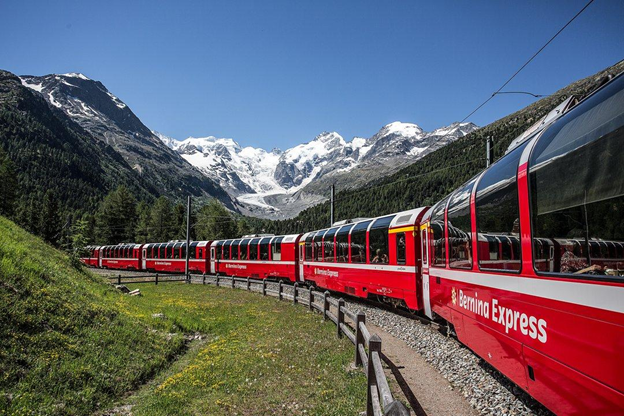
The Glacier Express is perhaps the most celebrated rail journey in the Alps — and deservedly so.
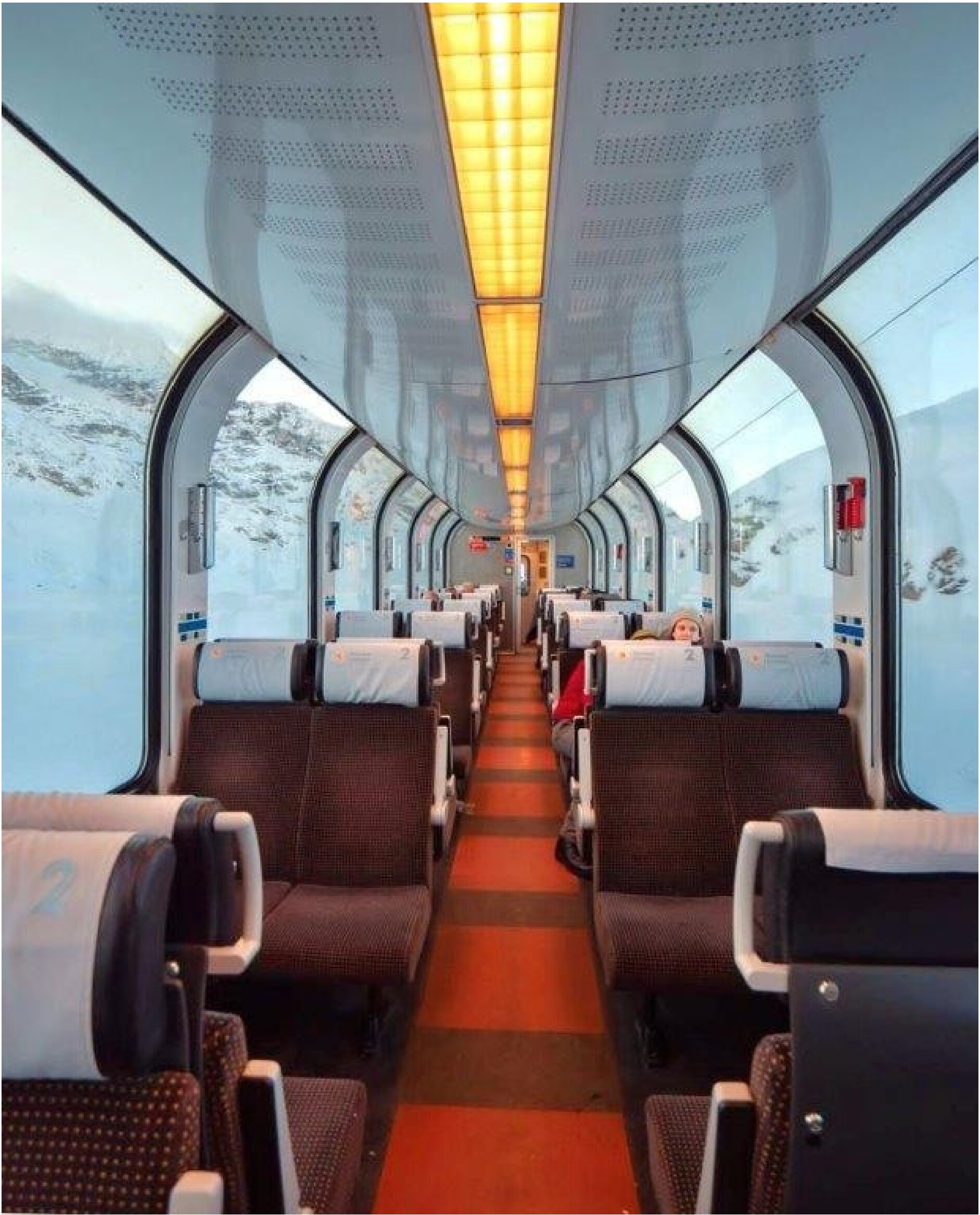
Running between Zermatt and St. Moritz, the train crosses 291 bridges, passes through 91 tunnels, and climbs into landscapes that feel almost impossibly cinematic.
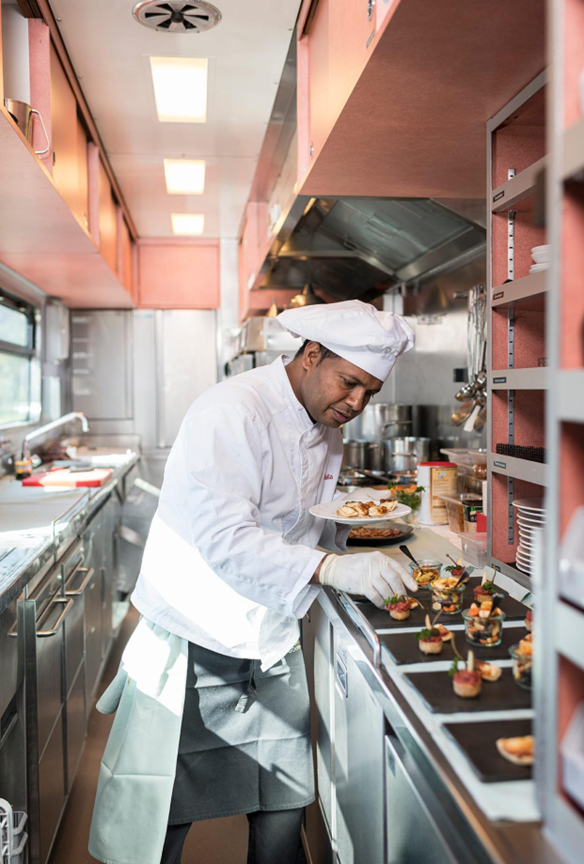
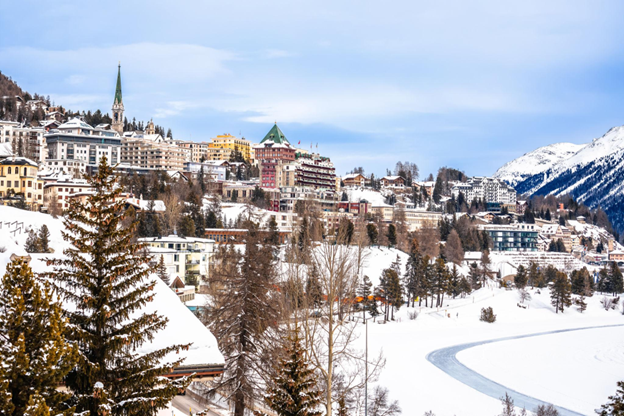
Yet the true luxury lies in the pacing. There is time to notice everything: snow resting on timber rooftops, church steeples rising through morning mist, frozen rivers tracing silver lines through valleys. Lunch arrives quietly at your table as the Alps drift past your window.
Unlike air travel, Switzerland reveals itself gradually. You do not simply arrive in the mountains. You watch them approach.
The Bernina Express
Where Rail and Landscape Become One
If the Glacier Express feels grand and elegant, the Bernina Express feels dreamlike.
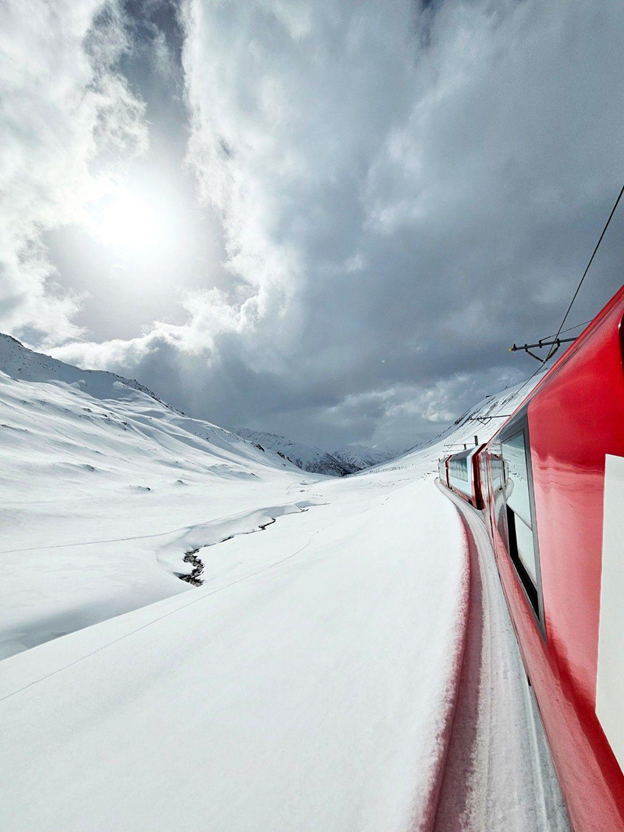
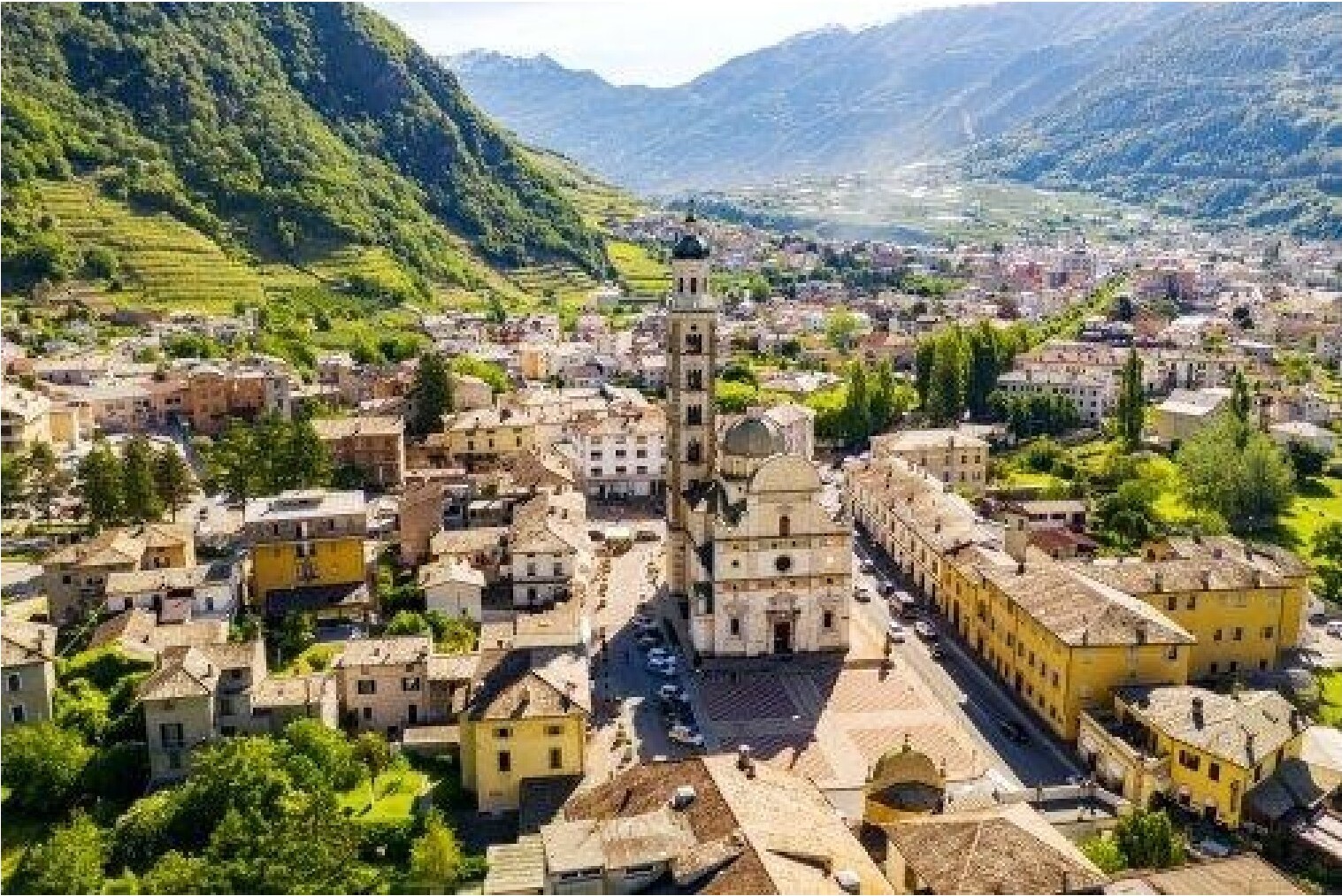
The route travels from Chur across glaciers and alpine passes before descending dramatically into Tirano, Italy — where palm trees replace snow and espresso supplants hot chocolate. The contrast is astonishing. In a single day, travelers move from icy alpine silence to Mediterranean warmth.
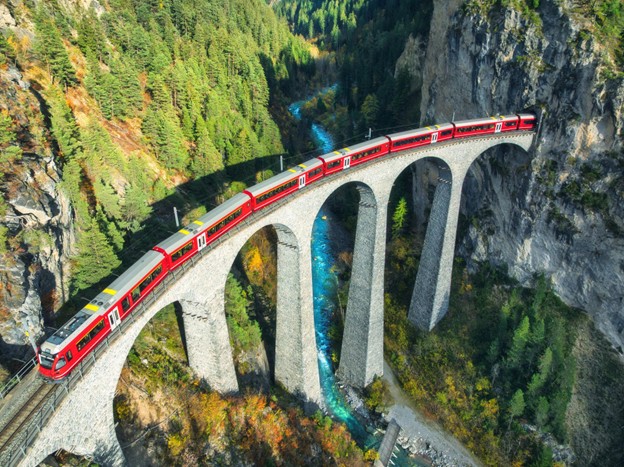
The train glides across the UNESCO-listed Landwasser Viaduct, curves beside luminous mountain lakes, and traverses the Bernina Pass at elevations few railways in the world can reach.
And yet, despite the drama, the experience remains deeply calming. Trains teach us something planes cannot: distance is meant to be felt.
Lakes, Peaks, and the Beauty of Seamless Movement
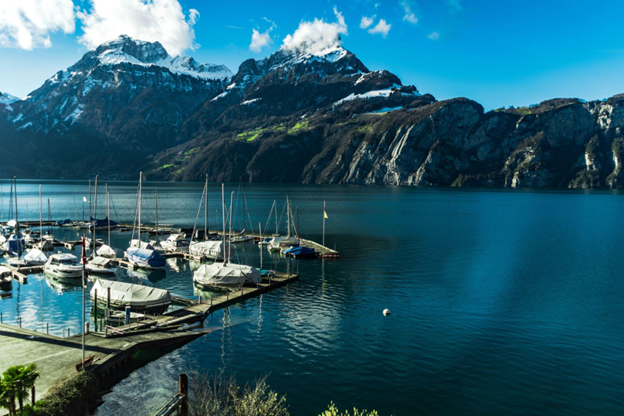
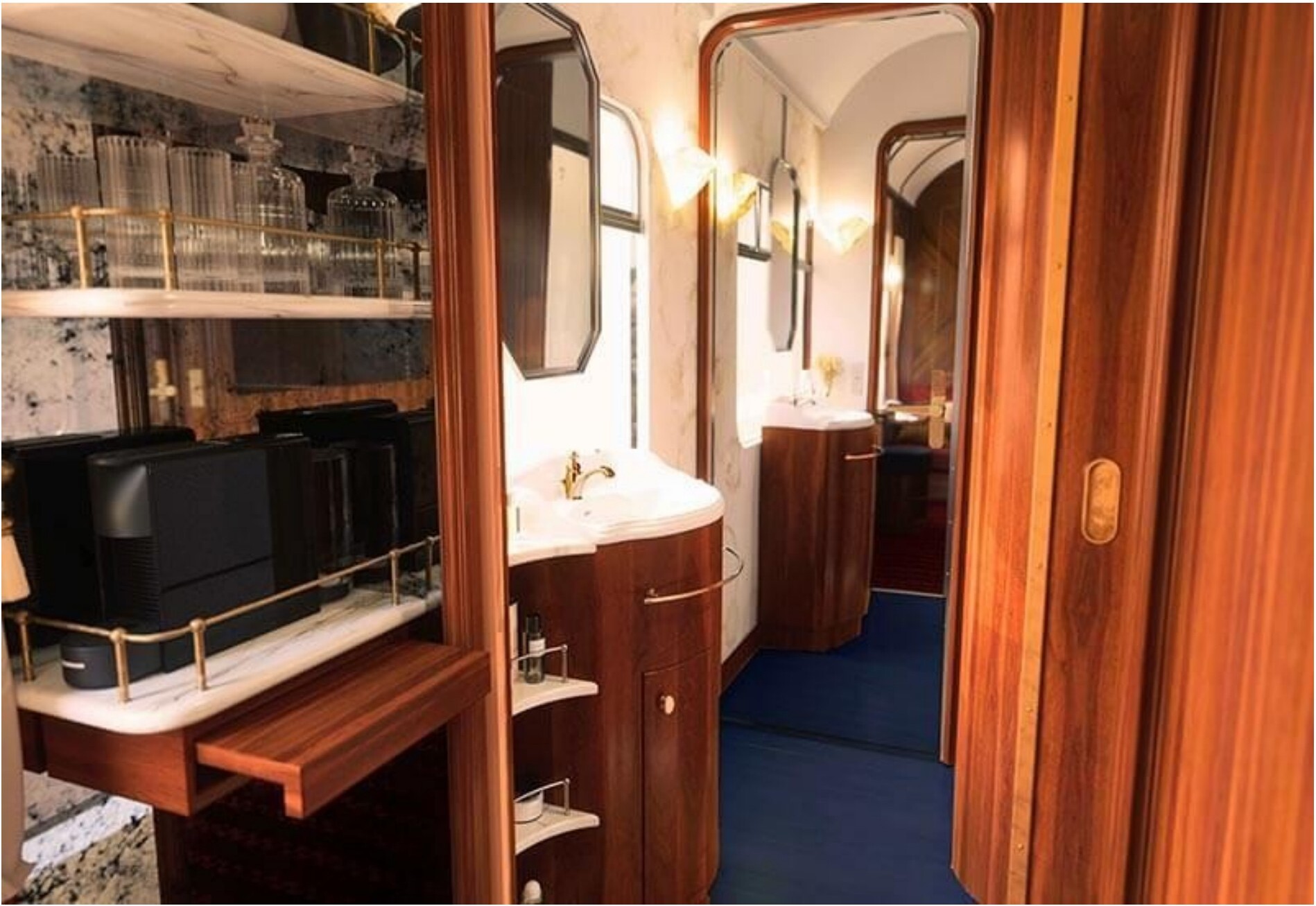
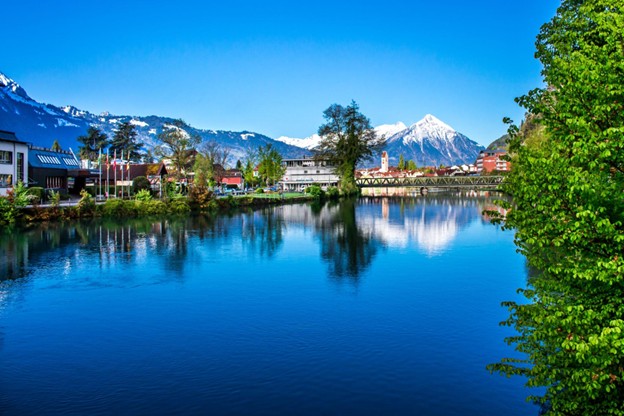
Part of Switzerland's brilliance lies in how effortlessly everything connects. A panoramic rail journey flows naturally into a lake cruise. A mountain train aligns perfectly with a discreet hotel transfer. Cities like Lucerne, Interlaken, and Montreux become chapters in a single, continuous story rather than separate destinations.
There is no strain to movement here — only continuity.
For luxury travelers, this creates something increasingly rare: mental stillness. You are not navigating. You are observing. You are present enough to notice how morning light shifts across a lake or how silence settles over the mountains just before snowfall.
Switzerland invites you to slow down not because it lacks excitement, but because beauty deserves time.
Why It Matters for Luxury Travel
At the highest level, luxury is no longer defined by speed.
It is defined by intention — the ability to choose how you experience time, how you enter a place, and how you allow a journey to change you.
Rail journeys like the Bernina and Glacier Express represent a quiet evolution in luxury travel: less about reaching, more about becoming. They are not replacements for efficiency but counterpoints to it — moments where the journey is expanded rather than compressed, discovered rather than delivered.
On the Pleasure of Arriving Slowly
The greatest journeys rarely begin with arrival. They begin with transition — the gradual realization that you are leaving one rhythm behind and entering another.
This is what Switzerland's railways do so beautifully. They create emotional distance between the life you left and the place you are entering. By the time you step off the train, you have already changed pace.
Perhaps that is why train travel feels increasingly luxurious today. Not because it is slower, but because it allows us to notice the world again. And in Switzerland, few places reward that attention more generously.
In the End
A plane brings you to a destination.
A train prepares you for it.
And on certain journeys, like this one through the Alps, that preparation becomes the most meaningful part of all.
Because the finest arrivals are not the ones that impress you.
They are the ones that change your pace before you even step off.
And once that happens, everything that follows feels different.